Case Study: Boosting Brand Visibility Through Expert Event Management


Introduction to Event Management for Brand Visibility
In today's competitive market, a brand's visibility is crucial for success. One effective way to increase this visibility is through expertly managed events. Events provide a platform for direct interaction with potential customers, partners, and influencers, helping to create memorable experiences that resonate with audiences.
Effective event management involves a strategic approach to planning, execution, and follow-up. This approach ensures that the brand message is communicated effectively and reaches the desired audience. In this case study, we'll explore how a well-executed event can significantly boost brand visibility.
Setting Clear Objectives
Before diving into the logistics, it's important to set clear objectives for the event. These objectives might include increasing brand awareness, launching a new product, or enhancing customer engagement. Clearly defined goals provide a roadmap for planning and measuring the event's success.
In our case study, the company set out to launch a new product line. Their primary objective was to create buzz and generate media coverage. Secondary goals included gathering customer feedback and building stronger relationships with industry influencers.
Strategic Planning and Execution
Once objectives are established, the next step is strategic planning. This involves selecting the right venue, timing, and format that align with the brand's goals and audience preferences. Attention to detail in logistics ensures a seamless experience for attendees.

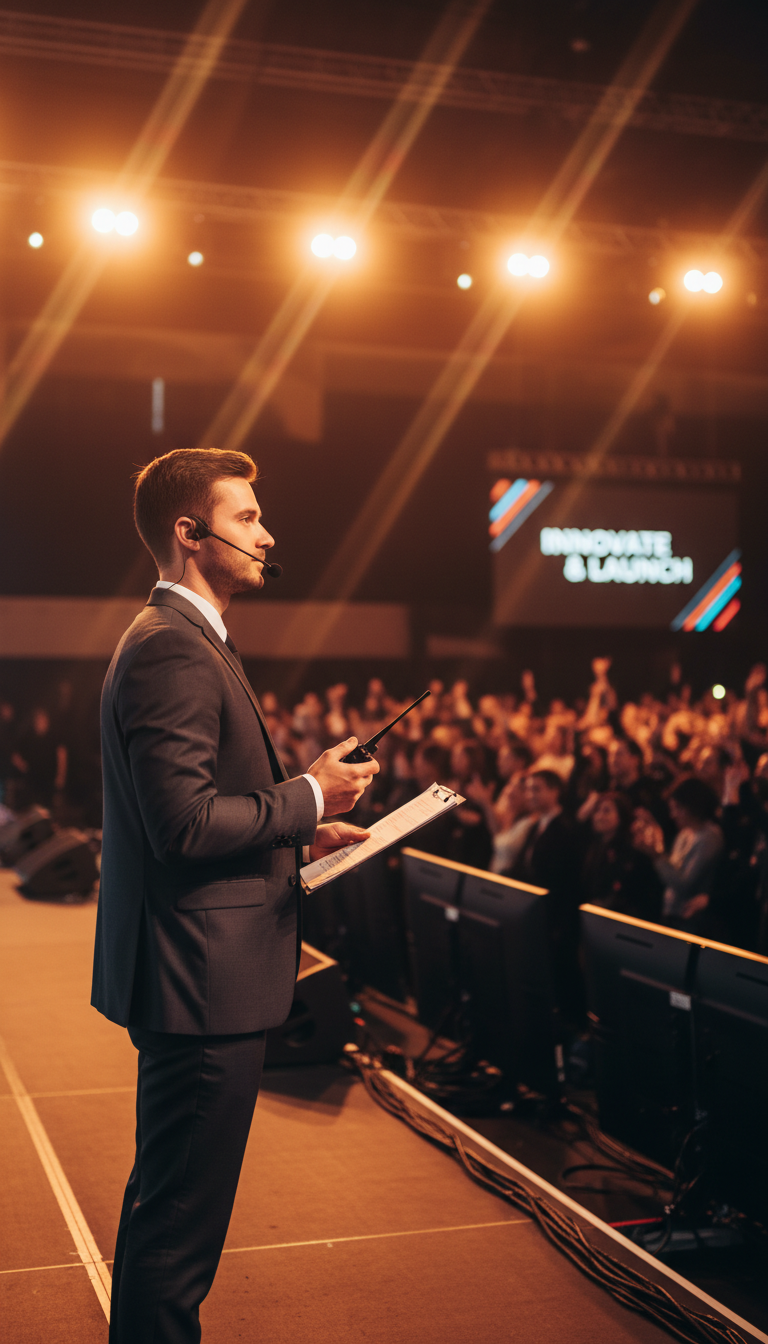
The company in our case study chose a popular local venue known for its modern amenities and central location. They planned an interactive event that included product demonstrations, Q&A sessions, and networking opportunities. This strategic approach maximized attendee engagement and media interest.
Leveraging Technology and Social Media
Technology plays a vital role in enhancing event experiences and expanding reach. Utilizing social media platforms can amplify the event's impact by engaging a broader audience. Live streaming, hashtags, and real-time updates keep both in-person and virtual attendees connected.
During the event, the company encouraged attendees to share their experiences using a dedicated hashtag. This strategy not only increased online visibility but also created a community of engaged followers who continued to interact with the brand post-event.

Post-Event Follow-Up and Analysis
The success of an event doesn't end when the last guest leaves. Post-event follow-up is crucial for maintaining momentum and building long-term relationships. Sending personalized thank-you messages, sharing event highlights, and encouraging feedback are effective ways to keep the conversation going.
Analyzing event data provides insights into what worked and what could be improved. This information is invaluable for refining future event strategies and ensuring continued brand growth.
Conclusion
Expert event management is a powerful tool for boosting brand visibility. By setting clear objectives, planning strategically, leveraging technology, and engaging in thorough follow-up, brands can create impactful experiences that resonate with their audience. The case study highlights the transformative potential of well-executed events in elevating a brand's presence in the market.