Planning Successful Networking Events: A Comprehensive Guide


Setting Clear Objectives
To plan a successful networking event, start by defining your objectives. Understanding the purpose of your event will guide every decision you make, from the venue to the guest list. Is your goal to foster new business relationships, introduce a product, or build a community? Clearly outlined objectives will help you measure the success of your event.
Once you have your objectives, consider your target audience. Tailoring your event to the interests and needs of your attendees will enhance engagement and satisfaction. This focus will also assist in designing content and activities that resonate with participants.

Choosing the Right Venue
The venue is a critical component of any networking event. It should be accessible, comfortable, and suitable for the size of your gathering. Consider the atmosphere you wish to create and select a location that aligns with your event’s theme and objectives.
Logistics also play a vital role. Ensure the venue has necessary amenities such as audio-visual equipment and suitable seating arrangements. It’s wise to visit potential venues in person to fully understand their layout and capabilities.
Budget Considerations
Establishing a budget early in the planning process is crucial. Allocate funds for venue, catering, marketing, and any additional services required. Keeping track of expenses will help prevent overspending and ensure all aspects of the event are covered.
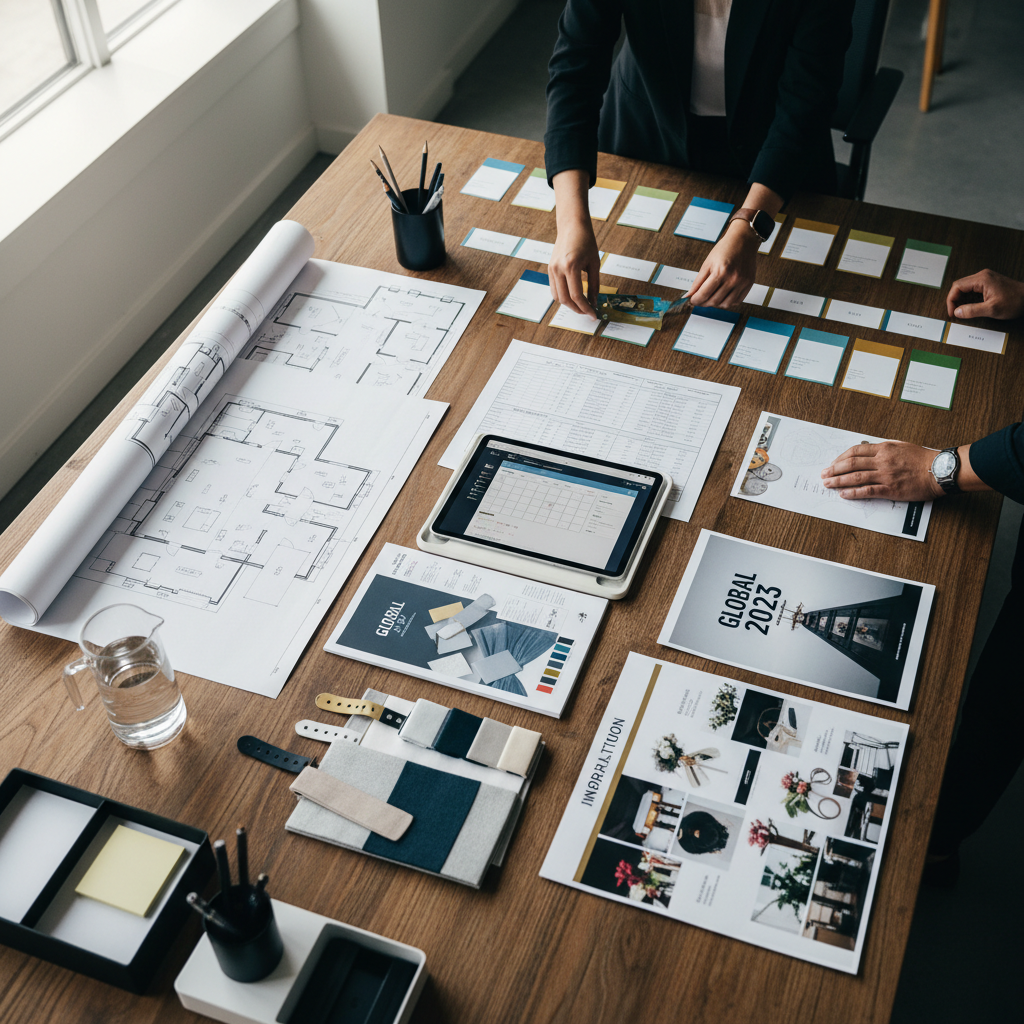
Crafting an Engaging Program
An engaging program is the backbone of a successful networking event. Consider including a mix of speeches, panel discussions, and interactive activities. These elements should align with your objectives and provide value to attendees.
Interactive activities such as workshops or roundtable discussions can encourage participation and facilitate connections. Remember to schedule ample networking time, allowing attendees to build relationships and exchange ideas.
Inviting the Right Speakers
Speakers can significantly impact the success of your event. Choose individuals who are not only knowledgeable but also engaging and relatable. Their insights should provide real value and motivate attendees.

Effective Promotion Strategies
To ensure attendance, your event needs effective promotion. Utilize social media, email marketing, and partnerships with relevant organizations to spread the word. Tailor your messaging to highlight the benefits of attending and any unique features of your event.
Consider offering early bird discounts or group rates to encourage registrations. Engaging visuals and compelling content will make your promotional efforts more impactful and increase interest.
On-the-Day Coordination
On the day of the event, having a well-coordinated team is essential. Assign roles to ensure all aspects, from registration to technical support, run smoothly. A detailed timeline will help keep everything on track and ensure a seamless experience for attendees.

Post-Event Follow-Up
After the event, follow-up is crucial. Send thank-you emails to attendees, speakers, and sponsors. Gather feedback through surveys to understand what worked well and identify areas for improvement.
Networking events are opportunities to build lasting connections. Maintain engagement with attendees by sharing event highlights, photos, and future opportunities to connect. This ongoing communication can lead to stronger relationships and future collaborations.