Seasonal Event Planning: Making the Most of Your Marketing Calendar


Seasonal event planning is a powerful strategy that can significantly enhance your marketing efforts. By aligning your campaigns with holidays and seasonal events, you can engage your audience more effectively and drive increased sales. In this blog post, we'll explore how to make the most of your marketing calendar through strategic planning and execution.
Understanding the Importance of Seasonal Events
Seasonal events provide unique opportunities to connect with your audience on a more personal level. Consumers are often in a buying mindset during these times, making it an ideal period to promote your products or services. Capitalizing on these occasions can boost brand awareness and foster customer loyalty.
Planning ahead is crucial. By preparing in advance, you can ensure your campaigns are well-coordinated and impactful. This foresight allows you to craft compelling messages and promotions that resonate with your target audience.
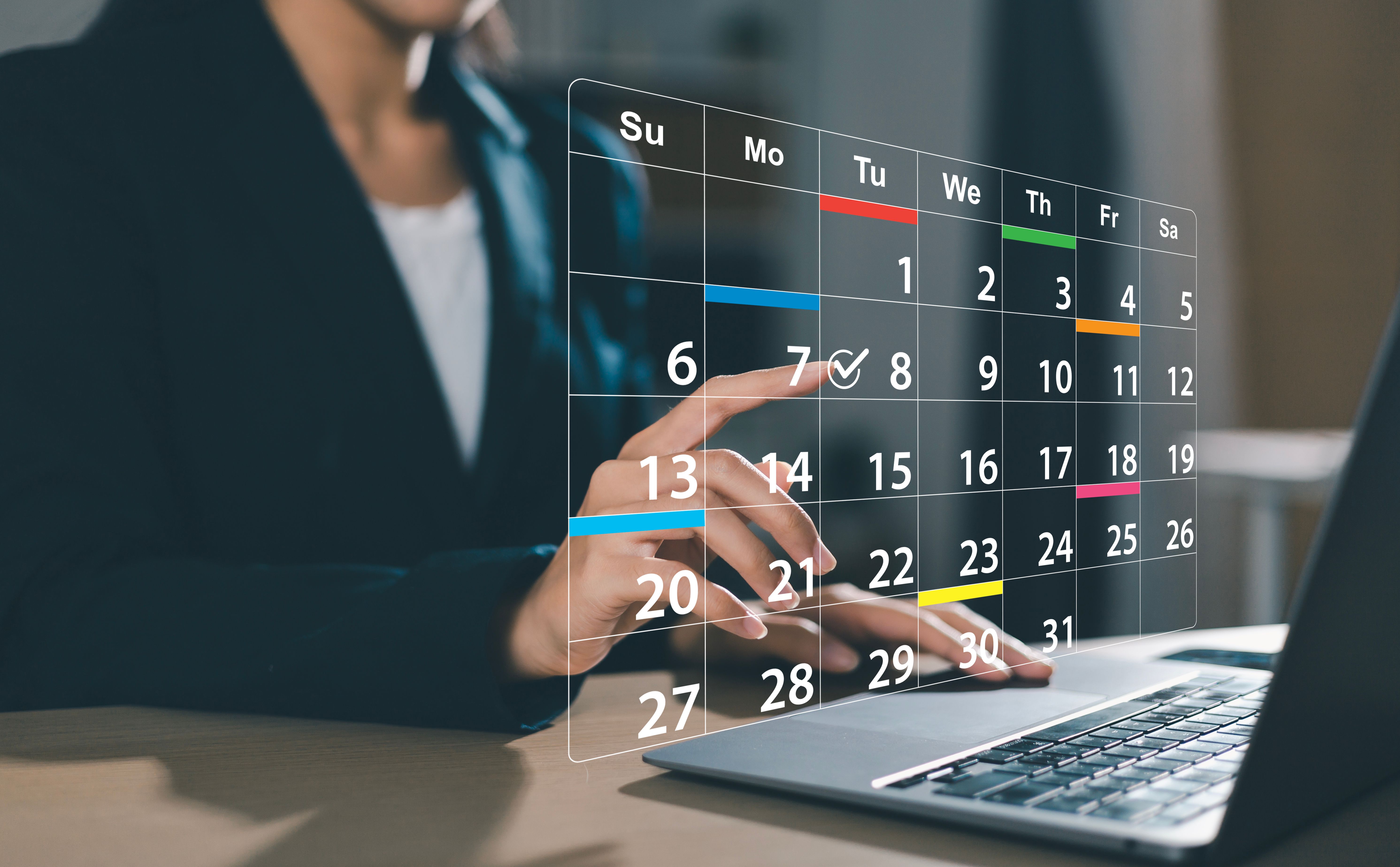
Building a Comprehensive Marketing Calendar
Identify Key Events
The first step in seasonal event planning is to identify the key events relevant to your business. Consider both major holidays and smaller, niche celebrations that align with your brand. A well-rounded approach can help you tap into various market segments.
- Major holidays like Christmas, Thanksgiving, and New Year.
- Seasonal changes such as back-to-school or summer sales.
- Niche events like National Dog Day or Earth Day.
Set Clear Goals
Once you've identified the events, it's important to set clear goals for each campaign. Whether you're aiming to increase sales, boost social media engagement, or grow your email list, having specific objectives will guide your strategy and measure success.

Crafting Engaging Content
Develop Themed Content
Themed content is a great way to capture your audience's attention during seasonal events. Tailor your messaging to reflect the spirit of the occasion. This might include festive imagery, special promotions, or limited-time offers that create a sense of urgency.
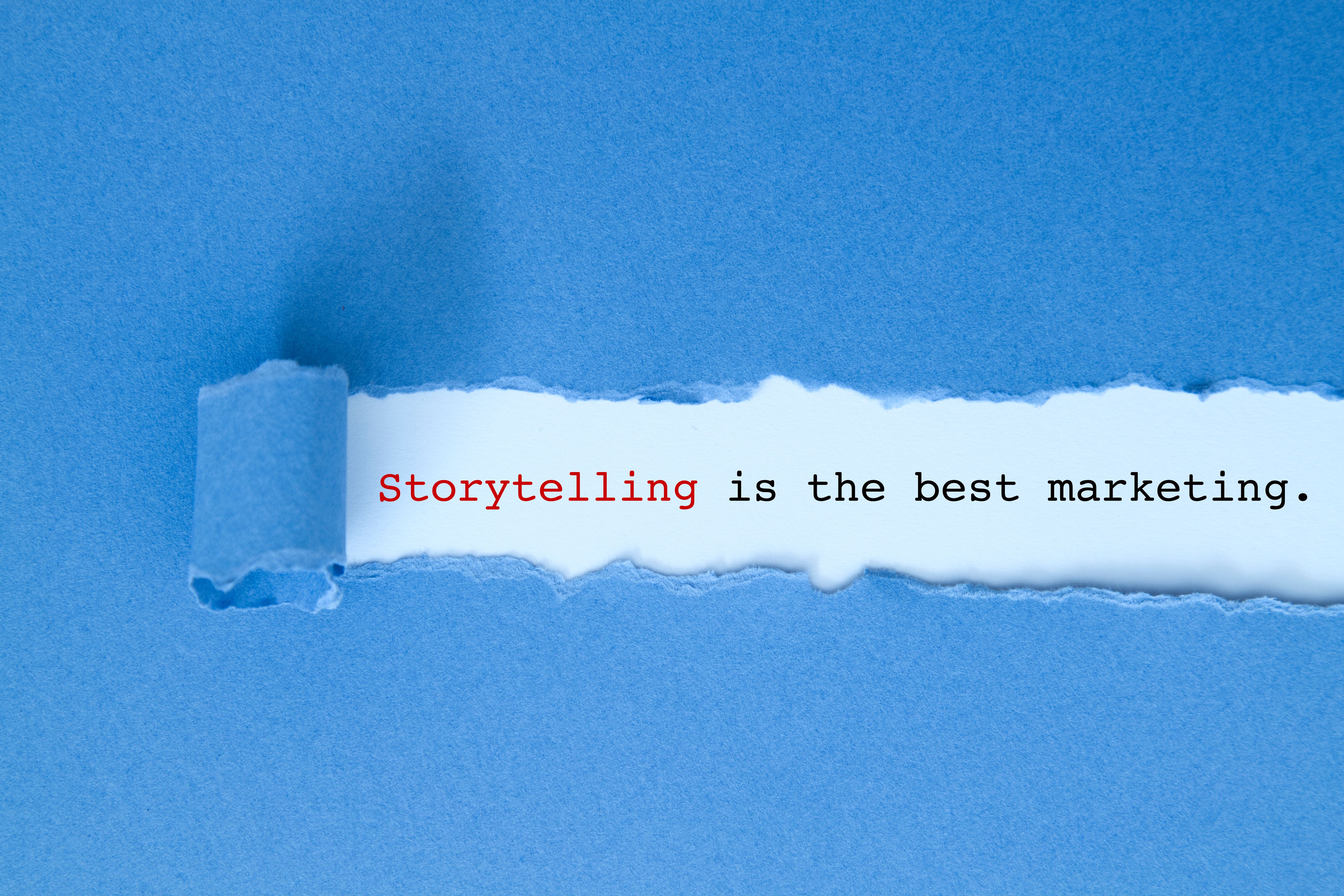
Additionally, consider using storytelling to connect emotionally with your audience. Sharing stories that relate to the event can make your brand more relatable and memorable.
Utilize Multiple Channels
To maximize your reach, leverage multiple marketing channels. Social media, email, and paid advertising can all be part of a cohesive strategy. Each platform offers unique advantages, so adapt your content to suit the medium while maintaining a consistent brand voice.
Remember to engage with your audience by encouraging interaction. Run contests, polls, or discussions to foster a sense of community and increase engagement.
Measuring Success and Adapting
After your seasonal campaigns are complete, take the time to measure their success. Analyze metrics such as sales figures, website traffic, and social media engagement to understand what worked and what didn't. This analysis will help you refine future campaigns for even greater success.
By staying flexible and open to change, you can continually adapt your strategies to better meet the needs of your audience. Seasonal event planning is an ongoing process that evolves with your brand and market trends.
In conclusion, making the most of your marketing calendar through seasonal event planning can yield impressive results. By identifying key events, setting clear goals, crafting engaging content, and measuring success, you can create impactful campaigns that resonate with your audience and drive business growth.