Seasonal Event Planning: Maximizing Impact Throughout the Year


Understanding the Importance of Seasonal Events
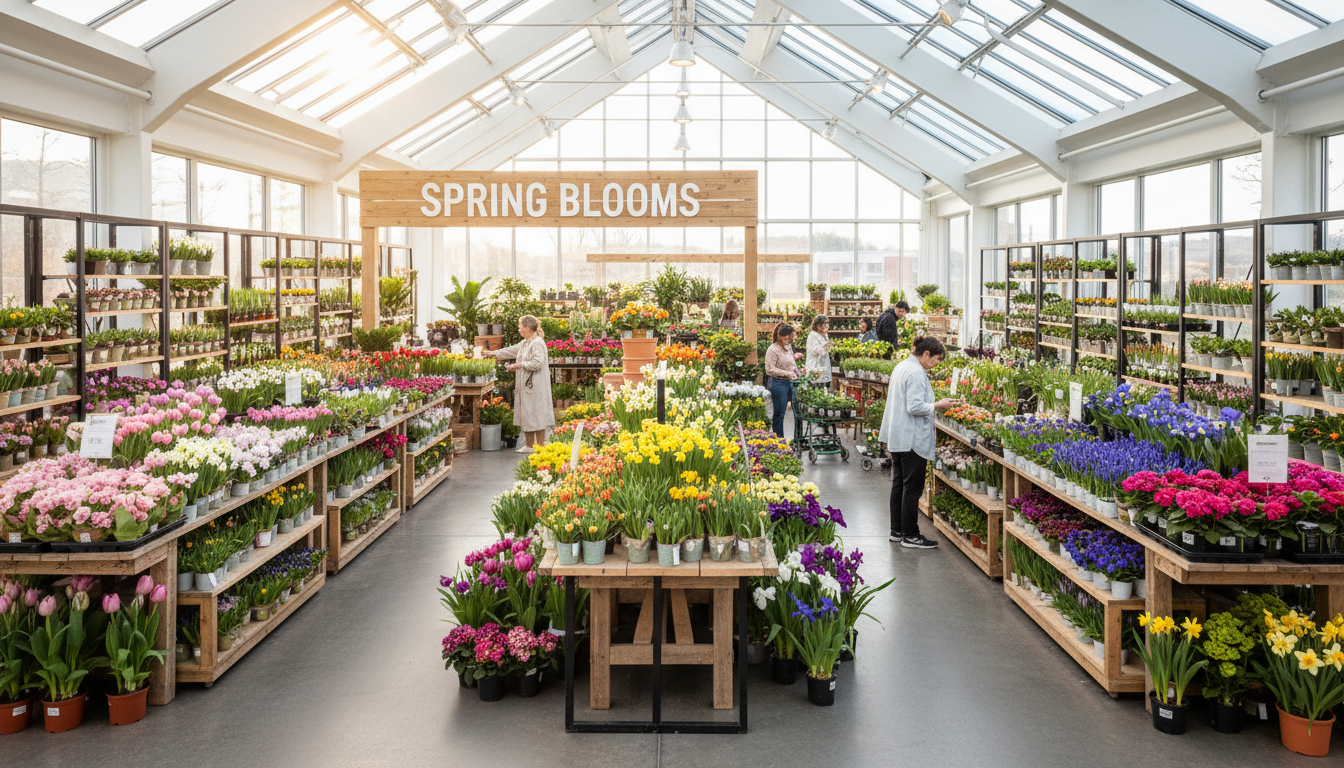
Seasonal events offer unique opportunities for businesses to engage with their audience and create memorable experiences. These events can range from holidays like Christmas and Halloween to seasonal changes like spring and autumn. By aligning your marketing strategy with these events, you can maximize your impact and boost your brand's visibility.
Planning Ahead for Success
Effective seasonal event planning requires foresight and organization. Start by creating a calendar that highlights key dates throughout the year. This will enable you to visualize upcoming opportunities and allocate resources efficiently. Early planning ensures you have ample time to develop creative campaigns and collaborate with partners.
Crafting Engaging Campaigns
Your campaigns should resonate with the emotions and themes of the season. Tailor your messaging and visuals to reflect the spirit of the event. For instance, a winter campaign might focus on warmth and togetherness, while a summer campaign could emphasize adventure and relaxation. Use storytelling to connect with your audience on a deeper level.

Utilizing Multiple Channels
Leverage a mix of marketing channels to reach a broader audience. Social media, email marketing, and in-store promotions can all play a role in your seasonal strategy. By diversifying your approach, you can engage with different segments of your audience and increase your overall reach.
Incorporating Community Engagement
Seasonal events provide a chance to engage with your local community. Consider hosting or sponsoring events that align with the season. This not only enhances your brand’s reputation but also fosters a sense of connection and loyalty among your customers. Community involvement can be a powerful tool in building lasting relationships.

Monitoring and Adapting
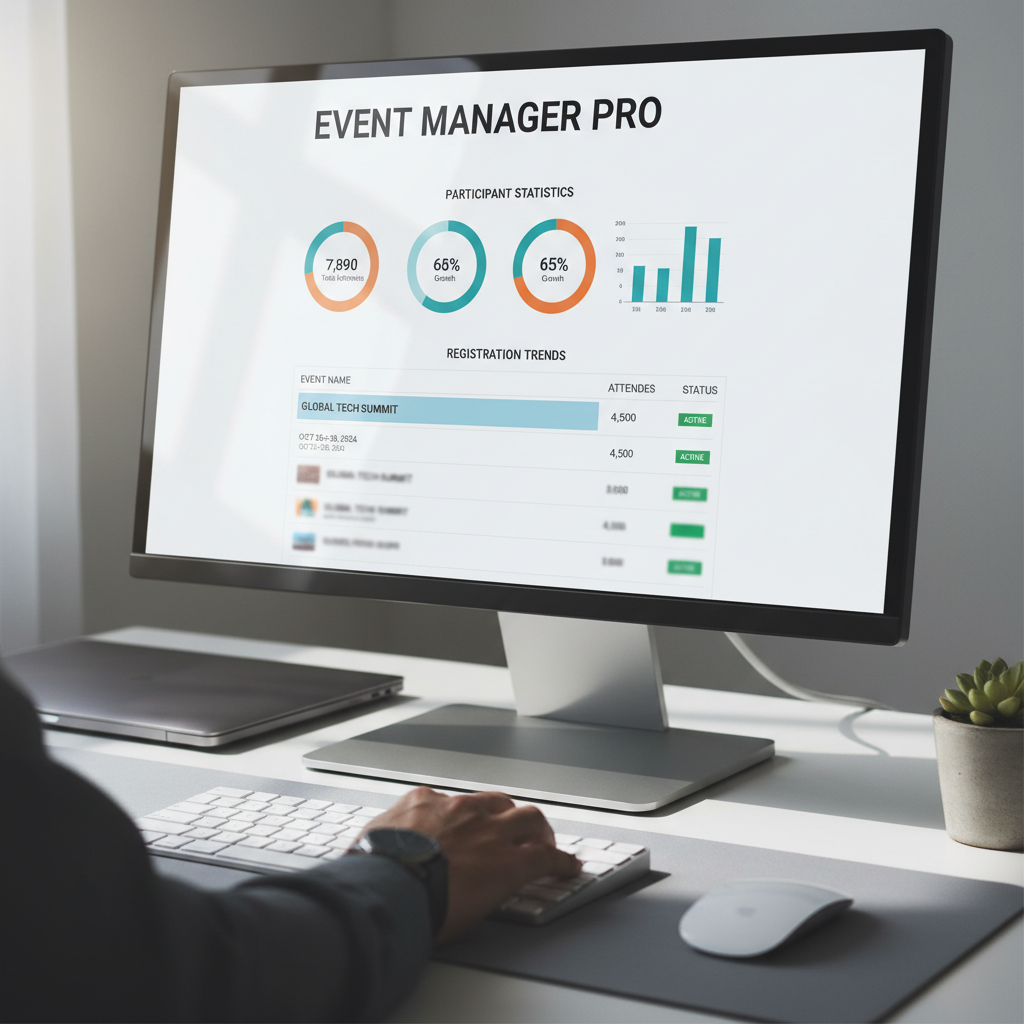
It's essential to monitor the performance of your campaigns and adapt as necessary. Use analytics to track engagement and conversion rates. This data will provide insights into what’s working and what needs adjustment. Being responsive to these insights ensures that your seasonal strategies remain effective and relevant.
Evaluating Post-Event Outcomes
After the event, take time to evaluate your success. Analyze the data to understand the impact of your campaigns on sales and brand awareness. Gather feedback from your team and customers to identify areas for improvement. This evaluation will be invaluable for planning future seasonal events.
Building on Success for Future Events
Use the insights gained from your evaluations to refine your strategies for upcoming events. Continuous improvement will help you create more impactful campaigns year after year. By learning from past experiences, you can capitalize on new opportunities and maintain a competitive edge.
Seasonal event planning is a dynamic process that offers immense potential for growth and engagement. By thoughtfully aligning your marketing strategies with the rhythm of the year, you can create meaningful connections with your audience and ensure lasting impact.