Seasonal Marketing Trends: Leveraging Events for Maximum Impact


Understanding Seasonal Marketing Trends
Seasonal marketing trends are crucial for businesses aiming to align their strategies with consumer behavior shifts throughout the year. By tapping into key seasonal events, brands can maximize their impact and reach their target audience more effectively. Understanding these trends involves analyzing consumer preferences and behaviors during different times of the year.
Whether it's the holiday season, back-to-school period, or summer vacations, each season presents unique opportunities for businesses. Leveraging these events can lead to increased brand awareness, customer engagement, and ultimately, sales growth.
Utilizing Holidays for Maximum Engagement
Holidays are prime opportunities for businesses to connect with consumers. Major holidays such as Christmas, Thanksgiving, and Halloween see significant spikes in consumer spending. Crafting targeted marketing campaigns around these events can yield significant returns. Consider creating holiday-themed promotions, exclusive discounts, and festive content to capture the holiday spirit.
Moreover, personalization is key. Tailor your messaging to resonate with your audience's emotions and values during these times. This not only enhances customer loyalty but also drives word-of-mouth referrals.
Capitalizing on Cultural Events
Cultural events like Chinese New Year, Diwali, or Cinco de Mayo are rich in marketing potential. These occasions allow businesses to engage with diverse audiences and show cultural sensitivity. By integrating cultural elements into your marketing strategies, you can build stronger connections with your audience.

Consider collaborating with influencers or local communities to amplify your message. This approach not only boosts your brand image but also fosters community goodwill and trust.
Adapting to Seasonal Changes
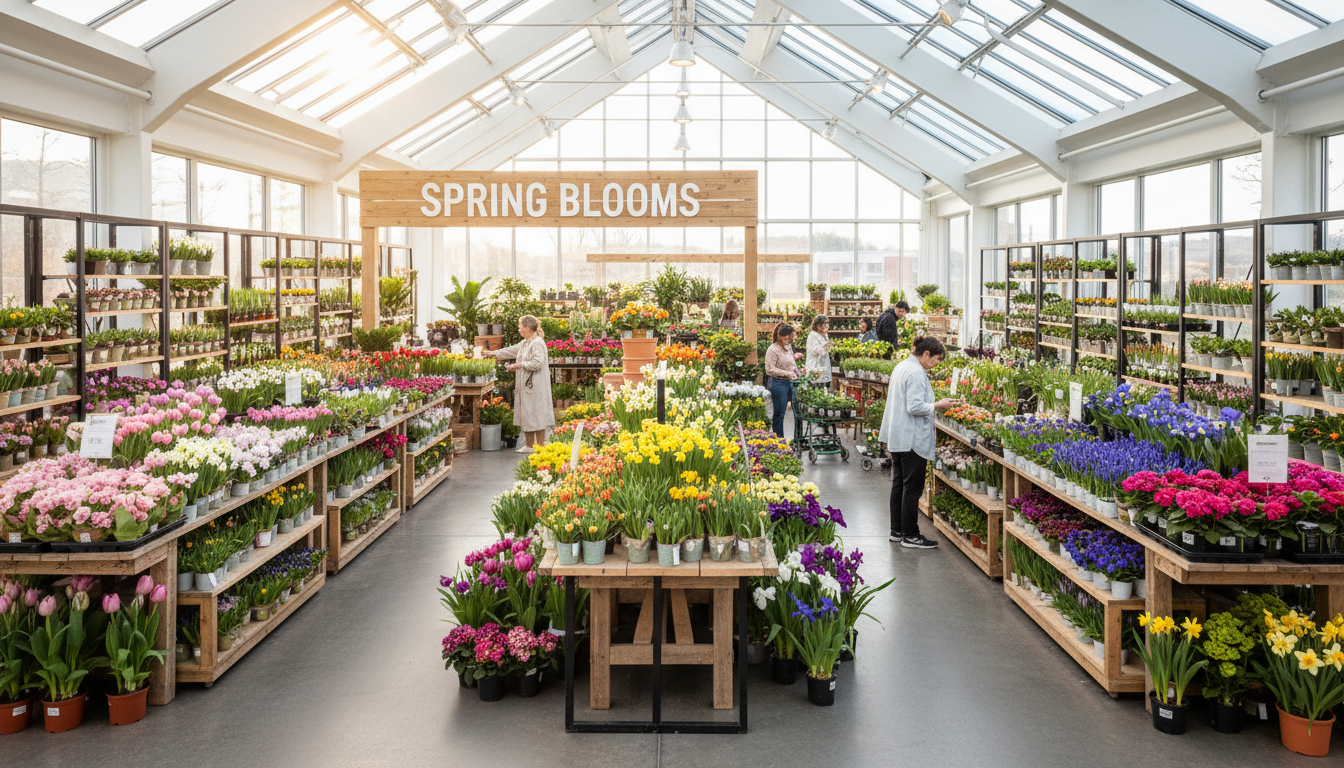
Seasonal changes, such as the transition from winter to spring, influence consumer needs and preferences. Businesses can capitalize on these shifts by adjusting their product offerings and marketing messages accordingly. For instance, promoting outdoor activities and fresh products as the weather warms up can attract more customers.
Additionally, using data analytics to track consumer behavior during different seasons can provide insights into emerging trends and preferences, enabling more effective targeting.
Embracing Technological Advances
With the rise of digital marketing, businesses can now leverage technology to enhance their seasonal marketing efforts. Utilizing social media platforms, email marketing, and data analytics tools can help brands reach their audience with precision and efficiency.
Interactive content, such as polls, quizzes, and augmented reality experiences, can engage users more deeply and create memorable brand interactions. Incorporating these elements into your seasonal marketing strategy can set your brand apart from competitors.
Planning Ahead for Success
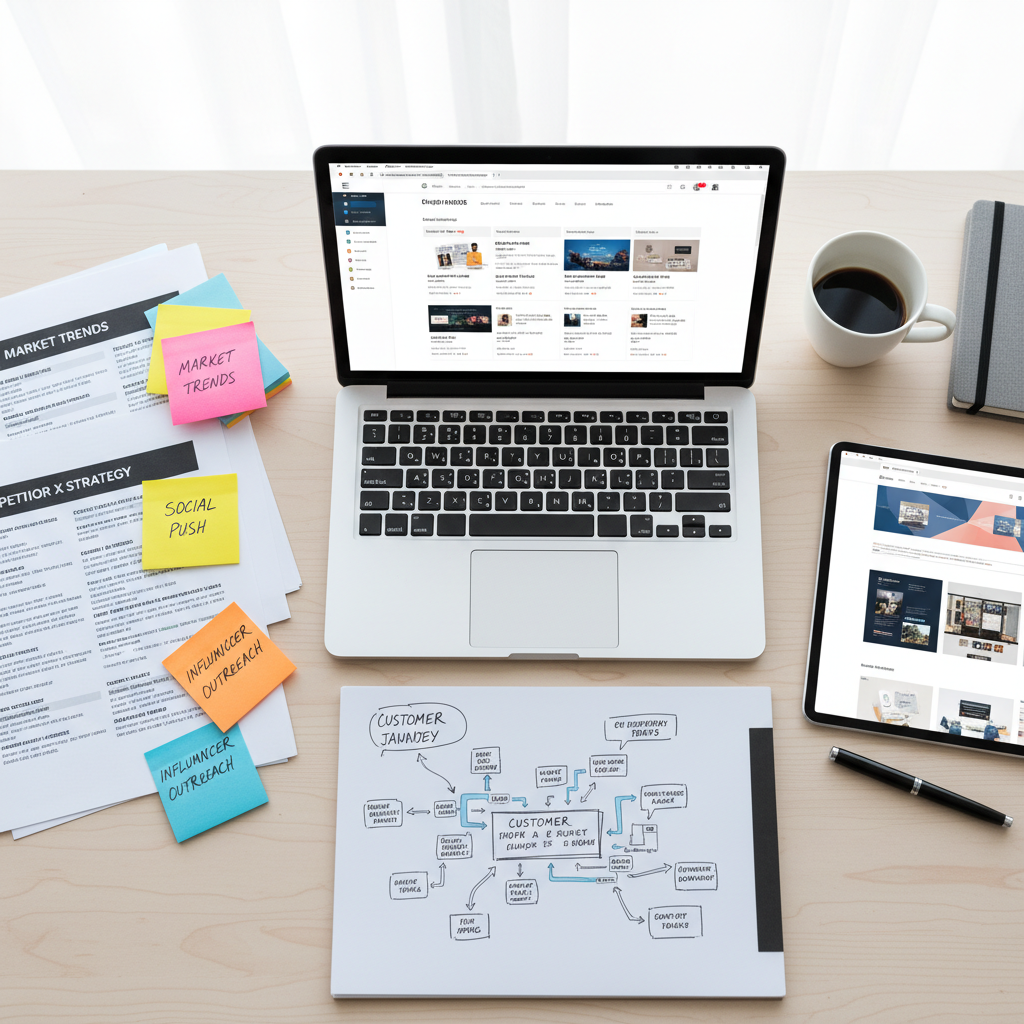
Effective seasonal marketing requires strategic planning and foresight. Begin by mapping out key events and seasons relevant to your business. Develop a comprehensive marketing calendar that outlines specific campaigns and tactics for each event.
By planning ahead, businesses can ensure that their marketing efforts are timely, relevant, and impactful. This proactive approach allows for better resource allocation and execution, ultimately leading to greater marketing success.
Conclusion
Leveraging seasonal marketing trends is an essential strategy for businesses looking to boost their visibility and drive sales. By understanding consumer behavior, utilizing holidays and cultural events, adapting to seasonal changes, embracing technology, and planning strategically, brands can maximize their impact throughout the year.
As you craft your seasonal marketing strategy, remember that authenticity and relevance are key. Tailor your efforts to resonate with your audience, and you'll be well on your way to achieving marketing success.