The Role of Events Management in Social Media Growth: A Deep Dive


Introduction to Events Management and Social Media
In today's digital landscape, the synergy between events management and social media is undeniable. As businesses and brands strive to make a mark online, leveraging events has become a powerful strategy to boost social media presence and engagement. By creating memorable experiences, brands can connect with their audience in meaningful ways, driving both online and offline interactions.

The Importance of Events in Building Online Communities
Events serve as a platform to bring communities together, fostering connections among attendees who share common interests. This sense of community is crucial in the digital age, as it translates into online engagement. By hosting events, brands can encourage attendees to share their experiences on social media, generating organic content that enhances brand visibility.
Moreover, events provide unique opportunities for attendees to create and share content. From live-tweeting to Instagram stories, the possibilities are endless. This user-generated content acts as authentic endorsements, amplifying the brand's reach and credibility.
Strategies for Integrating Social Media with Events
To maximize the impact of events on social media growth, businesses must employ strategic planning. Here are some effective strategies:
- Pre-event promotion: Utilize platforms like Facebook, Instagram, and Twitter to create buzz and anticipation. Share teasers, countdowns, and behind-the-scenes content to engage your audience early.
- Live engagement: Encourage attendees to use event-specific hashtags and check-ins. Host live streams and interactive sessions to reach a wider audience.
- Post-event follow-up: Share highlights, testimonials, and user-generated content to maintain momentum and keep the conversation going.
Measuring the Impact of Events on Social Media Growth
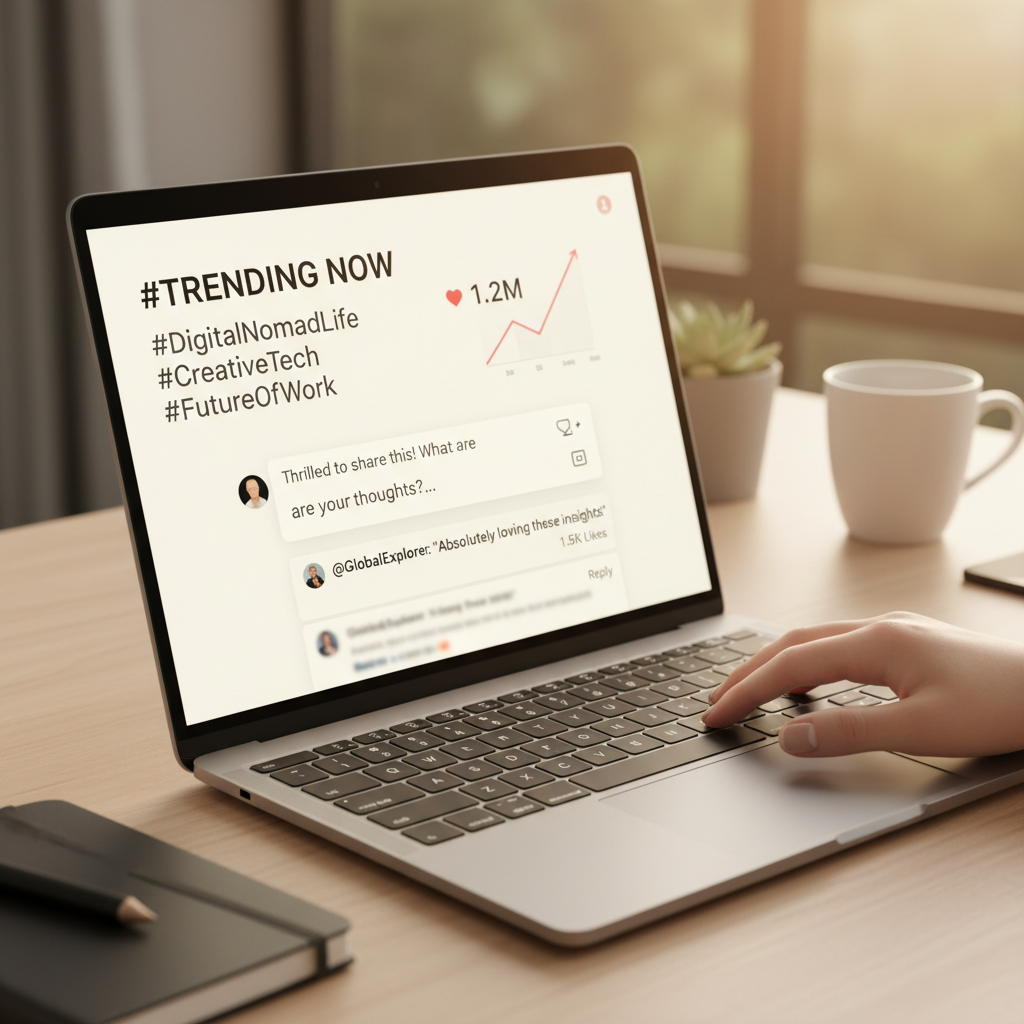
Analytics play a crucial role in understanding the effectiveness of events in driving social media growth. By tracking key metrics, businesses can gain insights into audience engagement and content performance. Metrics such as hashtag usage, mentions, and follower growth provide valuable data to assess the event's success.
Furthermore, analyzing user-generated content can reveal trends and preferences, helping brands refine their social media strategies. This data-driven approach ensures that future events are even more impactful and aligned with audience expectations.
Case Studies: Successful Event-Social Media Integration
Many brands have successfully harnessed the power of events to boost their social media presence. For instance, tech companies often host product launches that are live-streamed, generating global interest and engagement. Similarly, fashion brands create exclusive shows that become viral sensations, thanks to strategic social media integration.
Conclusion: The Future of Events and Social Media
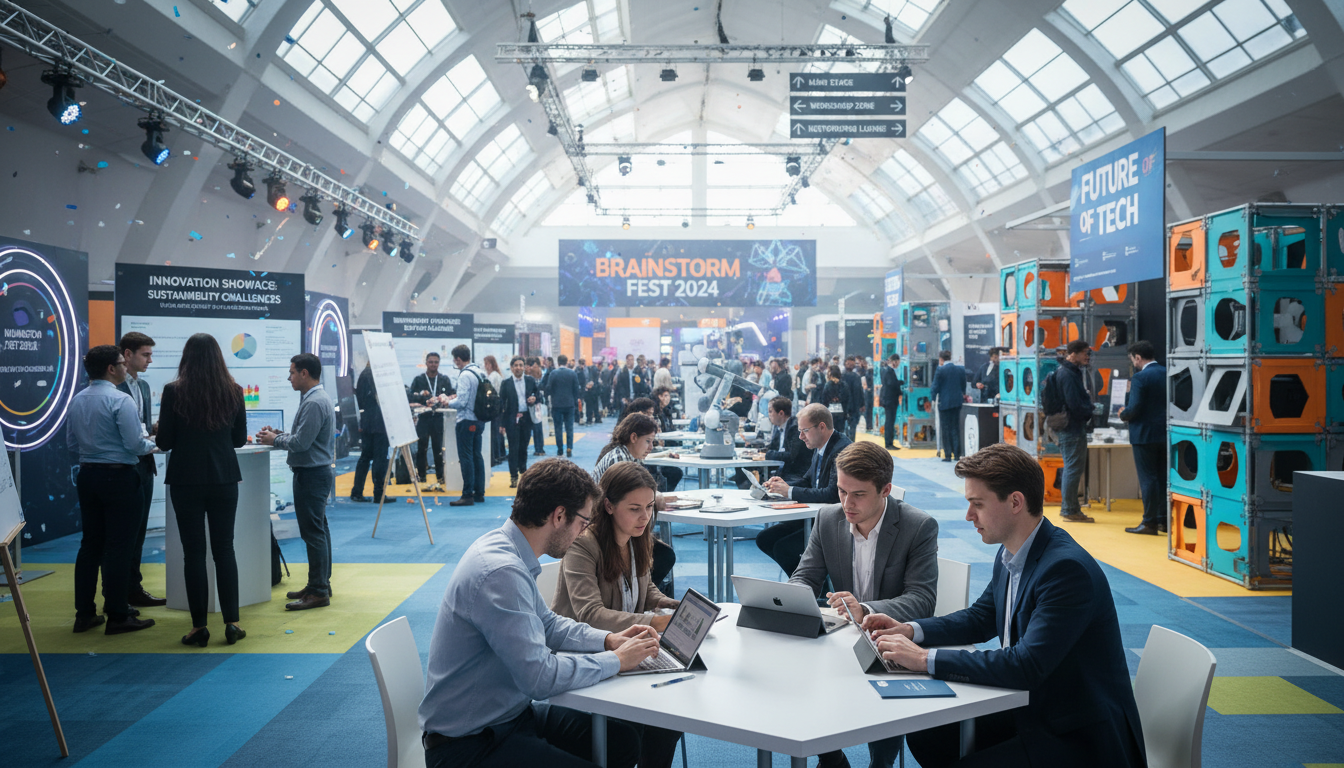
The role of events management in social media growth is set to expand as technology continues to evolve. Virtual and hybrid events are becoming more prevalent, offering new avenues for engagement and interaction. By staying ahead of these trends, brands can maintain a competitive edge and continue to build strong, engaged online communities.
Ultimately, the integration of events and social media is a powerful tool for brands looking to enhance their digital presence. By understanding and implementing effective strategies, businesses can create lasting impressions and drive significant social media growth.